



Electrical Testing Tips: Volt Testing, Amp Testing and Ohm Testing

You will most commonly measure two electrical parameters when you're troubleshooting your appliance: resistance ( measured in units called "ohms") and voltage. Typically, both of these measurements are made on a single meter called a multi-meter, which you can set to measure either ohms or voltage ac.
Figure 1 shows how to measure resistance. Resistance ( or continuity ) is measured in units called "ohms." You'll commonly want to know the resistance of things like bake elements and solenoid coils. For example, a good bake element typically has a resistance of about 30 ohms. If your oven's not baking and you measure the resistance of the bake element and the meter doesn't move, then you know you have a bad element. Everyone is looking to save money, from coupons to tax deductions, so finding out if a repair is possible before you buy a whole new unit can be a great way to save. A simple ohm measurement can save a lot of money :)
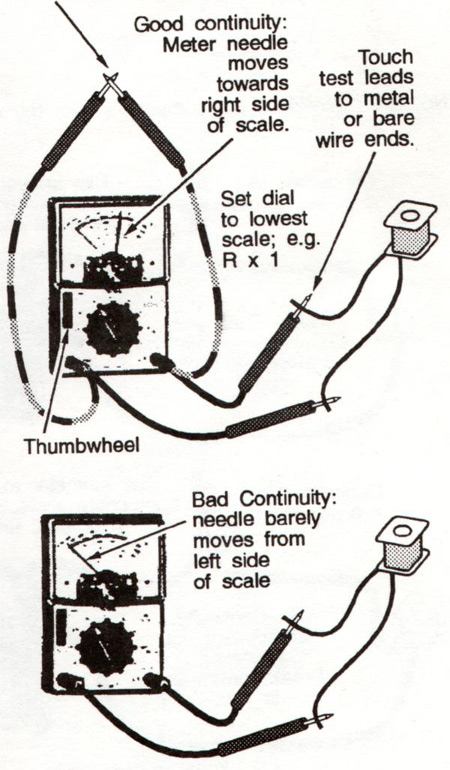
Figure 1- How to measure resistance with Ohm Meter
Amp meter: Figure 2 shows a clamp-on amp meter (or amp meter) being used to measure current flow through a wire. This is a common test for determining whether or not a gas oven igniter is good or bad--only way to really know is by measuring its current draw and comparing to rated draw. You'll also want to measure current/amp draw in cases where you have an electric motor that runs for a few minutes then shuts off on it's built in safety to see if the problem is with the motor drawing excessive current.

Figure 2- Measuring current flow through a wire with Amp Meter
Volt meter: Figure 3 shows how to measure voltage. A voltage measurement at the outlet should the first thing you do whenever you have an appliance that is completely inoperative...a simple power test is required if your electric dryer is running with no heat to make sure you have both powers at the dryer.

Figure 3- Measuring voltage with a volt meter
220-240 volt 4 prong power plug test for a dryer

220-240 volt 4 prong power plug test for a range

110-120 volt power plug test

220-240 volt 3 prong power plug test for a range

220-240 volt 3 prong power plug test for a dryer

Some helpful tips for volt and ohm testing...
Ohm: When ohm ( continuity ) testing a switch, thermostat, element, etc, you will need to isolate the item by removing the wires to that item so you can properly ohm test it...( write down what wire goes where first! ) This does not happen often, but sometimes a switch can ohm ok but still fail when real power is supplied to it. R X 1 is a good scale to start out with when doing some ohm / continuity testing.
Volt: Be careful!! Volt testing should be done across a switch, thermostat, fill valve (Figure 4), etc...for example - a volt test across a dryer thermostat - a reading of 220-240 volts AC across the thermostat leads is an open circuit / thermostat...a reading of 0 ( zero ) is a closed circuit / thermostat. A reading of 220-240 volts AC across the two wires to a bake element and no heat from the element is a bad element.

Figure 4- Fill Valve Testing
Item Number ASIMT33D
Volt/OHM Meter
Search 2.1 Million Appliance Parts

Related Links:
- Mini Analog Multimeter Electric AC/DC Current OHM Decibels Voltage Voltmeter Ammeter with Test Leads
- AstroAI Digital Clamp Meter Multimeter 2000 Counts Amp Voltage Tester Auto-ranging with AC/DC Voltage
- Voltage Tester/Non-Contact Voltage Tester with Signal Percentage
- Upgraded Watt Meter Power Meter Plug Home Electricity Usage Monitor, Electrical Usage Monitor Consumption
Ask a Bosch Expert now!
Ask a BlueStar Expert now!
Ask a Danby Expert now!
Ask a Electrolux Expert now!
Ask a Frigidaire Expert now!
Ask a General Electric Expert now!
Ask a Inglis Expert now!
Ask a Kenmore Expert now!
Ask a Kitchenaid Expert now!
Ask a LG Expert now!
Ask a Maytag Expert now!
Ask a Norge Expert now!
Ask a Samsung Expert now!
Ask a Whirlpool Expert now!
Ask a Wolf Expert now!
Need appliance repair help? Verified appliance technicians are on-line around the clock and ready to answer your questions!