




How A Washing Machine Works
Fix Your Washer: Common Washer Problems & Solutions From APP
How it cleans:
You've probably noticed the tub you load your clothes into has hundreds of small holes. These holes allow water to flow through to an outer tub, which is solid and holds the water. In top-loading machines, there is usually an agitator in the middle. The agitator pivots clockwise and counterclockwise - about three-fourths of a revolution - plunging clothes through water to wash them. Clothes keep moving from the top of the tub down to the bottom and back again. This motion, along with friction caused by clothes rubbing together, allows detergent and water to reach every nook and cranny of your load and loosens soil.
Front-loading machines do not have an agitator. Instead, the drum rotates on a horizontal axis just like your dryer. With no agitator, clothes are pushed through a small amount of water in the bottom of the drum to get them clean. This waving effect, along with friction caused by clothes rubbing together, cleans the clothes. You can usually fit more clothes into front loaders since there's no agitator in the drum, and washing is easier on your clothes.
Motor and pump:
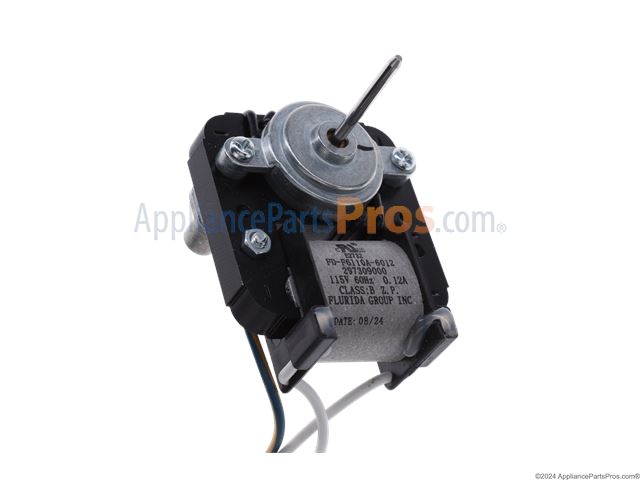
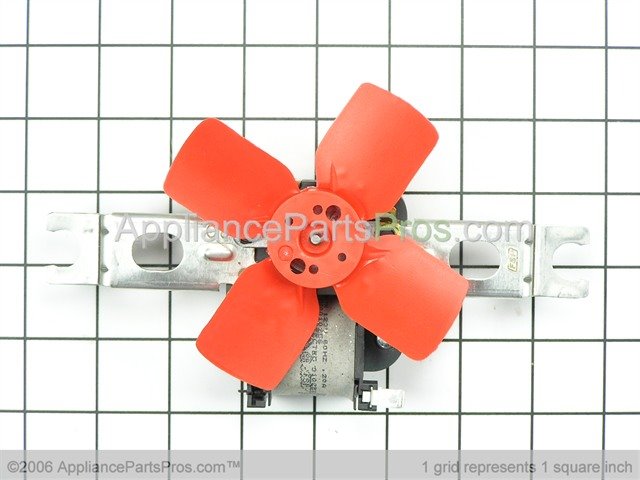
The motor drives the spinning tub and agitator during wash, damp dry and spin cycles. The pump removes water from the tub and lifts it out to a drain or laundry tub. The pump may be attached to the drum drive motor directly or with a separate pump belt. On some newer machines, the pump is a separate unit with its own drive motor, which is directed by the timer or control circuit board at the appropriate time to drain the machine. Most pumps have a limit of how high or at what volume they can push water from the machine.
In one direction, the motor works through a clutch and/or a transmission to spin the wash tub at speeds from 400 to 800 rpm in top loaders and 600 to 1500 rpm in front loaders. This spinning forces water, by centrifugal force, out of clothes and into the outer tub. This water is then pumped out to a drain. Most top loaders have a two direction or reversing motor. In the opposite direction, the motor works through the same clutch and transmission to move the agitator back and forth during the wash cycle. Modern front loaders usually have a variable speed reversing motor but no clutch or transmission since there is no agitator to move back and forth. The spin and wash speeds are controlled through circuit boards, which speed up or slow down the frequency of the voltage supplied to the drive motor.
Fill valve:
The most common fill valve - sometimes called a water inlet valve - is about the size of a coffee cup. It controls the entry of hot and cold water into the machine.
The valve has three major components:
- hot-water solenoid
- cold-water solenoid
- mixing valve body
The fill valve has three hoses connected to it:
- hot water hose from the house
- cold water hose from the house
- fill hose that directs water into the inner tub
When electricity flows to one or both solenoids, water flows through the valve into the washing machine's inner tub. When electricity stops, the water also stops.
On many newer machines the fill valve may be much larger than a coffee cup. It may also have several solenoids and hoses attached to it because the valve is used to divert water to dispense soap, bleach and fabric softeners.
Timer and selector switches:
The timer switch is usually behind the largest dial on the main control panel. It can be either a mechanical device, much like a simple clock, or completely electronic with a digital readout.
The timer runs the washing machine in a pre-determined pattern. It provides electricity to all washing machine components at the correct time and for the correct length of time.
Selector switches or knobs vary from machine to machine. Most washers have one or several switches or knobs on the control panel in addition to the timer/start switch. These enable you to adjust certain settings, such as water temperature, spin speed and timer cycle.
Motor coupler and/or belt:
Some washers use a coupler to connect the motor directly to the transmission so there's no need for a belt. The coupler is a rubber disc that is ½ and inch thick and 1-½ inches in diameter, sandwiched between two plastic sprockets.
Many washers use belts to connect the motor to the transmission or pump. A belt is usually a black, rubber rope-like component that is usually a loop of about 24 to 30 inches. It looks much like a belt you'd find on a car engine. The belt or coupler provides a desirable "weak link" in a washing machine. If the tub or agitator becomes stuck or jammed, the belt or coupler will fail first, which helps protect the transmission and other critical components. Replacing a belt or coupler is a much simpler and cheaper repair than replacing a transmission or motor.

Related Links